Where Italian Artisans Source Their Leather
A guide to the regional tanning traditions supplying Italy’s high-craft workshops
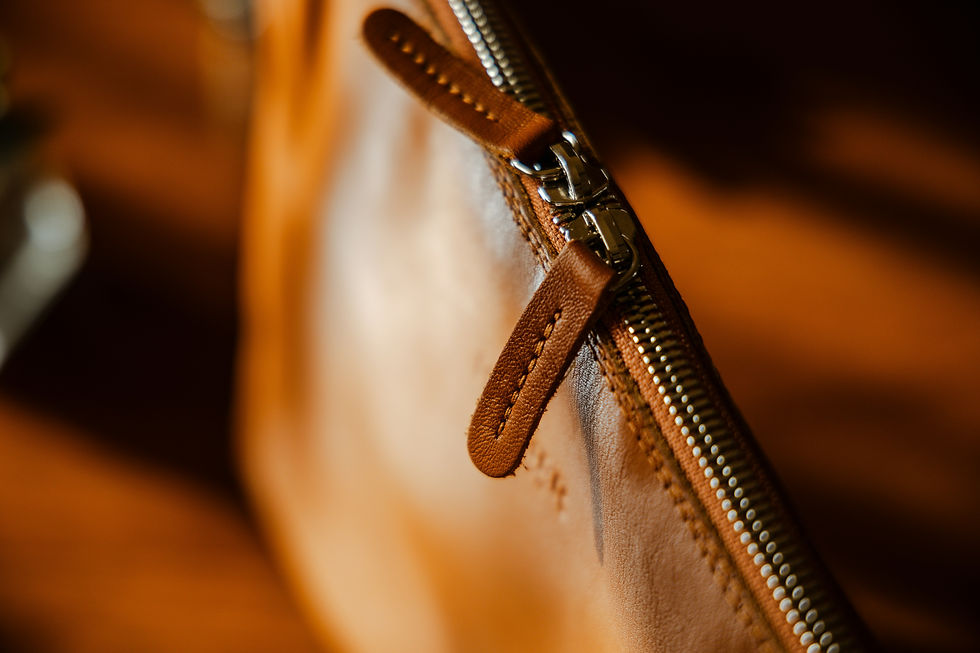
For low-volume, high-craft workshops, leather sourcing is intensely local. Each region has developed its own tanning tradition over centuries — the hide, the water, the tannins, and the artisan’s eye are inseparable. Unlike large manufacturers who buy by the palette, artisan studios typically source in small lots — sometimes a single dozen hides — selected by the maker directly at the tannery.
The relationship between tanner and artisan is longstanding and often multigenerational. The artisan knows which animals the tannery works with, how long the hides have rested, and which part of the hide yields the cleanest grain for a specific use. These four regions represent where Italy’s craft workshops actually go for leather — not catalogues, but relationships.
Regional Sourcing Overview
Region | District / Town | Specialisation | Key Characteristic |
Tuscany | Arno Valley(Santa Croce sull’Arno, Pescia) | Vegetable-tanned full-grain calfskin; the world benchmark for artisan leather goods | Weeks in tanning pits; rich patina; lifetime durability |
Campania | Solofra(near Avellino) | Lambskin and sheepskin; soft draping leathers for gloves, shoes, small-batch bags | Supple hand; ideal for structured linings and fine accessories |
Veneto | Arzignano(Chiampo Valley) | Bovine hide; semi-finished and custom-finished supply for Brenta Riviera and Vicenza workshops | Europe’s largest cluster; specialist tanners serve craft studios to order |
Lombardy /Emilia | Small-lot specialisttanners (direct) | Bespoke lots: wax-pull, burnished edges, hand-dyed butta finishes | Hides selected in person; personal relationships; no retail presence |
Regional Detail

Tuscany — The Arno Valley
The heartland of Italian vegetable-tanned leather. Towns like Santa Croce sull’Arno and Pescia host the oldest tanneries in the world, many still family-run. Hides spend weeks — sometimes months — in tanning pits using chestnut and quebracho bark extract. The result is leather that begins firmer and becomes more supple with use, developing a deep patina over a lifetime.
This is the most relevant sourcing anchor for a leather goods brand built on authentic heritage. The Tuscan tradition is considered the world benchmark, and the supply chain story is inherently a relationship story.

Campania — Solofra
The leather district of the south, centered on Solofra in the hills near Avellino. Renowned for soft, supple lambskin and sheepskin — used by artisan glovers, shoe workshops, and small-batch bag makers across Italy who need fine, draping leathers. The suede produced here is particularly prized for structured linings and delicate accessories.

Veneto — Arzignano
Europe’s largest leather-producing cluster, centered in the Chiampo valley. While known for volume, many small specialist tanners here serve the high-craft shoe and accessory workshops of the Brenta Riviera and Vicenza — supplying finished and semi-finished hides to order. These specialist tanners operate largely beneath the industry’s radar, working directly with individual studios on specific lot requirements.

Lombardy and Emilia — Small-Lot Specialist Tanners
A network of specialist tanners — many without retail presence — who supply directly to individual artisan studios. Known for exotic finishing: wax-pull, burnished edges, hand-dyed buttas. Relationships are personal; hides are often selected by the artisan in person from the tannery floor. This is the most relationship-dependent supply chain in Italian leatherwork.
Why Vegetable Tanning Matters
Chrome tanning — the industrial method developed in the 19th century — produces consistent, soft leather in hours. It is fast, efficient, and capable of producing uniform results at scale. Vegetable tanning, practiced for millennia using tannins found in tree bark, produces something fundamentally different.
Vegetable Tanning | Chrome Tanning (industrial) |
Weeks or months in tanning pits | Hours in chrome solution |
Firmer initially; supple with use | Uniformly soft from the start |
Develops rich patina over lifetime | Minimal change in character over time |
Each hide unique; full-grain character | Consistent, corrected finish |
Natural, biodegradable process | Industrial chemicals; restricted in some markets |
Consorzio Vera Pelle Italiana Conciata al Vegetale
The Tuscany-based certification body maintains Renaissance-era standards for genuine Italian vegetable-tanned leather. Leather bearing this mark has spent weeks in tanning pits rather than the hours required by industrial methods. For artisan brands, this certification functions as a supply chain anchor, not just a marketing claim. The Consorzio traces its standards to the workshops of the Renaissance, and membership requires independent verification of tanning process, not just geographic origin.
How Low-Volume Artisans Source
The sourcing process for craft workshops differs fundamentally from industrial procurement. Key practices include:
Visiting tanneries in person to select individual hides — not ordering from catalogues
Working with the same tanner across generations; the relationship often precedes the current artisan’s career
Selecting by part of hide: the ‘back’ (butt) is the densest and most durable; the belly is more open-grained
Specifying tannage duration, fat-liquoring, and finishing in conversation — not via specification sheets
Sourcing small lots of 10–50 hides rather than full palettes
Maintaining long-term exclusivity arrangements with tanners who hold back specific characteristics for specific artisans